What This Moment Really Means
Becoming an American citizen means joining a country that has been shaped, from the start, by people who arrived from somewhere else.
America’s story is complicated — but one thread runs through it: people came here looking for a chance they couldn’t get at home. Some came for religious freedom. Some came to escape war, persecution, poverty, or political control. Some came with nothing but a name and a plan. And generation after generation, they took the risk because the idea of America was bigger than the obstacles in front of them.
A big part of that idea is the freedoms the U.S. is known for — and why so many people still choose it. Here, you have freedom of speech. You have freedom of religion. And you have the right to keep and bear arms. Those aren’t just lines in a document for many new citizens — they’re the difference between living carefully and living freely.
That’s also why the moment of naturalization hits differently here. The United States has a long tradition of welcoming people into citizenship — not because you share a bloodline, but because you chose the country and met the standard. You didn’t just move here. You committed to it. You raised your hand and promised allegiance to the Constitution and to the laws of the United States.
People still come to America for the same reasons they always have: freedom, opportunity, safety, education, business, and the belief that hard work can actually change your life. And becoming a citizen is the point where that belief becomes official — not just in paperwork, but in identity.
This isn’t a small milestone. It’s a once-in-a-lifetime “I made it” moment — and it deserves to be commemorated with something that feels worthy of the journey.
What Happens on Naturalization Day
Naturalization day is usually a mix of nerves, pride, and “I can’t believe this is actually happening.”
Most ceremonies follow a similar flow:
-
Check-in and verification – You’ll arrive, check in, and confirm your identity and paperwork.
-
A room full of stories – You’re sitting with people from all over the world, all there for the same reason.
-
The oath – Everyone stands, raises their right hand, and takes the Oath of Allegiance. This is the moment it becomes real.
-
You receive your Certificate of Naturalization – This is the official document that confirms U.S. citizenship. People protect it like gold for a reason.
-
Photos and celebration – Families take pictures. Some people cry. A lot of people just smile nonstop because they’ve been waiting for this day for years.
Here is the Oath, as it’s commonly administered:
“I hereby declare, on oath, that I absolutely and entirely renounce and abjure all allegiance and fidelity to any foreign prince, potentate, state, or sovereignty, of whom or which I have heretofore been a subject or citizen; that I will support and defend the Constitution and laws of the United States of America against all enemies, foreign and domestic; that I will bear true faith and allegiance to the same; that I will bear arms on behalf of the United States when required by the law; that I will perform noncombatant service in the Armed Forces of the United States when required by the law; that I will perform work of national importance under civilian direction when required by the law; and that I take this obligation freely, without any mental reservation or purpose of evasion; so help me God.”
Even when the ceremony is short, the meaning isn’t. It’s one of those rare moments in life where a single day marks a before-and-after.
Why This Moment Deserves a Lasting Keepsake
Naturalization is one of those rare life events that’s both emotional and historic at the same time. You’ll remember where you stood, who was with you, what it felt like to raise your hand, and the second it finally hit you: I’m an American citizen.
You’re also joining something massive — becoming part of a country of 330 million+ people, and stepping into what America has always been: a melting pot of backgrounds, languages, and stories that somehow becomes one shared identity.
And yet the day moves fast. There’s a ceremony, a certificate, some photos — and then life immediately starts pulling you forward again.
That’s why a keepsake matters. Not to “celebrate” in a party sense, but to commemorate the moment in a way that doesn’t fade.
A lasting keepsake does three things:
-
It honors the journey. The waiting, the work, the patience, and the courage it took to get here.
-
It marks the before-and-after. Life has chapters. This is one of the biggest chapter changes a person can make.
-
It gives the moment a physical anchor. Years from now, you can hold something in your hands and be taken right back to that day.
The best keepsakes don’t scream for attention. They simply feel worthy — something you’ll still be proud to keep on your desk, in your home, or in your family for decades.
What a Good Citizenship Gift Should Do
A U.S. citizenship gift should feel like it belongs in the same category as the moment itself: earned, meaningful, and permanent.
Here’s what “good” looks like:
-
Show respect for the journey. This wasn’t a casual milestone. It took time, paperwork, patience, and personal courage. The gift should reflect that.
-
Feel like an adult object, not a novelty. This is not the moment for slogans, gimmicks, or anything that feels like it came from a tourist shop.
-
Be useful in real life. The best gifts don’t end up in a drawer. They become part of someone’s daily world—at a desk, in a bag, in an office, in a home.
-
Last. U.S. citizenship is forever. The object tied to it should be built to stay with them for years, not months.
-
Make the message personal. The meaning comes from the note that goes with it—the words that say “I see what this took.” Keep the personalization in the card, not on the gift itself.
If the gift checks those boxes, it won’t just congratulate them. It will honor them.
Why a Pen Fits This Moment
U.S. citizenship is made official with documents, signatures, and a certificate you’ll keep forever. So a writing instrument isn’t random here — it matches the nature of the moment.
A good pen fits because:
-
This is a “made official” milestone. Naturalization is one of those life moments where paperwork actually matters — not because it’s bureaucracy, but because it represents a real change in identity.
-
Signatures follow this moment for years. After citizenship, people often update records, apply for a passport, complete forms, and handle important life steps that come with being fully recognized as a citizen.
-
A pen becomes an anchor object. Not a souvenir — an everyday tool that quietly carries the meaning of the day. Every time it’s picked up, it brings you back to the moment the oath was taken and the certificate was placed in your hands.
-
It’s appropriate across cultures. In a country built from many backgrounds, a pen is one of the rare gifts that feels universally respectful — practical, personal, and lasting.
If citizenship is the moment someone becomes fully part of America, a pen is the kind of object that belongs with that story — something they’ll use, keep, and remember.
How to Present It So It Lands
The gift matters — but how you give it is what makes it stick.
A U.S. citizenship moment deserves a presentation that feels personal, not performative. Keep it simple and sincere:
-
Include a handwritten note. One paragraph is enough. The goal isn’t poetry — it’s recognition. Say what you’re proud of: the patience, the work, the courage, the decision to choose America.
-
Make it about their journey, not your politics. This moment isn’t a debate. It’s a person’s life. Keep the message focused on what they overcame and what they earned.
-
Use one specific detail. Mention the day, the ceremony, the city, the person they called first, the look on their face — anything real. That’s what turns a gift into a keepsake.
-
Pair it with the “official” items without crowding them. A pen next to the certificate photo, or presented with a simple card, feels right. You don’t need extra props.
-
Avoid jokes. Even small jokes can cheapen the moment. This is one of those times where straightforward is powerful.
If you do it this way, the gift won’t feel like “something you bought.” It will feel like: “I see what this took — and I’m honoring it.”
What Usually Misses the Mark
This is a major life milestone. The wrong gift doesn’t just feel “off” — it can make the moment feel smaller than it is.
Here are the types of gifts that usually miss:
-
Novelty and joke items. Anything meant to get a laugh (“Now you’re one of us!” mugs, gag shirts, cheesy slogans) can accidentally cheapen a moment that took years to earn.
-
Tourist-shop patriotism. Flags on everything, plastic eagles, trinkets, or overly loud “USA!!!” items often feel performative. Many new citizens are proud — but they don’t want the moment turned into a costume.
-
Cheap, disposable stuff. Keychains, knickknacks, mass-produced “commemorative” items that break or fade. Citizenship is permanent — the keepsake should be, too.
-
Anything that centers the giver. Big speeches, “look at me” presentations, or gifts that feel like they’re more about the person giving than the person receiving.
-
Overly political messaging. This moment is about belonging, freedom, responsibility, and identity — not a political statement.
The best approach is simple: give something that feels respectful, lasting, and worthy of the journey — and let the meaning do the talking.
A Keepsake Worthy of the Oath
At the end of the day, commemorating U.S. citizenship isn’t about buying “a thing.” It’s about choosing an object that matches the weight of the moment — something permanent, useful, and worthy of the journey.
That’s why a pen fits so well here. Citizenship is made official through documents, signatures, and a certificate that will be protected for a lifetime. A well-made writing instrument becomes a personal anchor to that day — not a novelty item, but something they’ll use and keep for years.
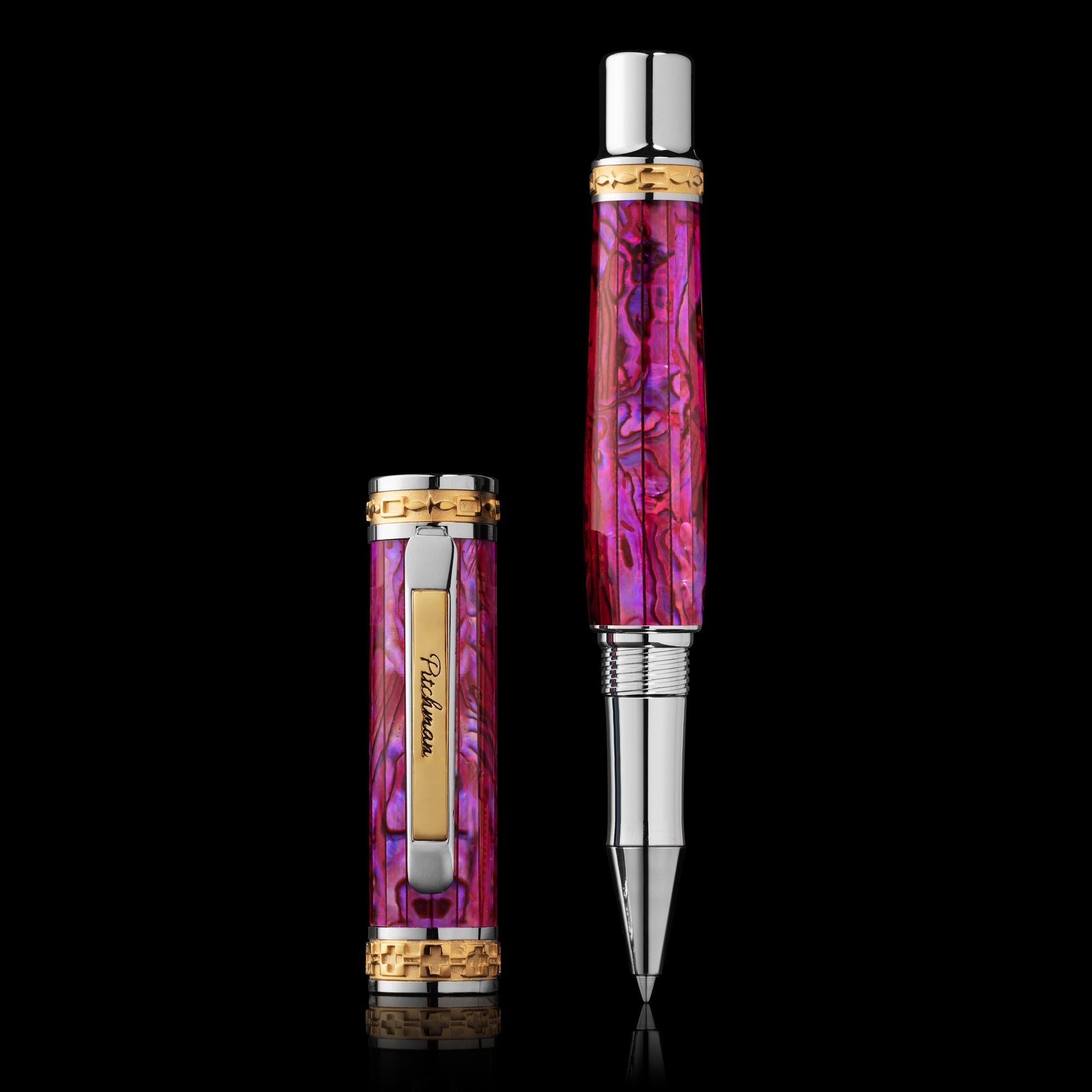
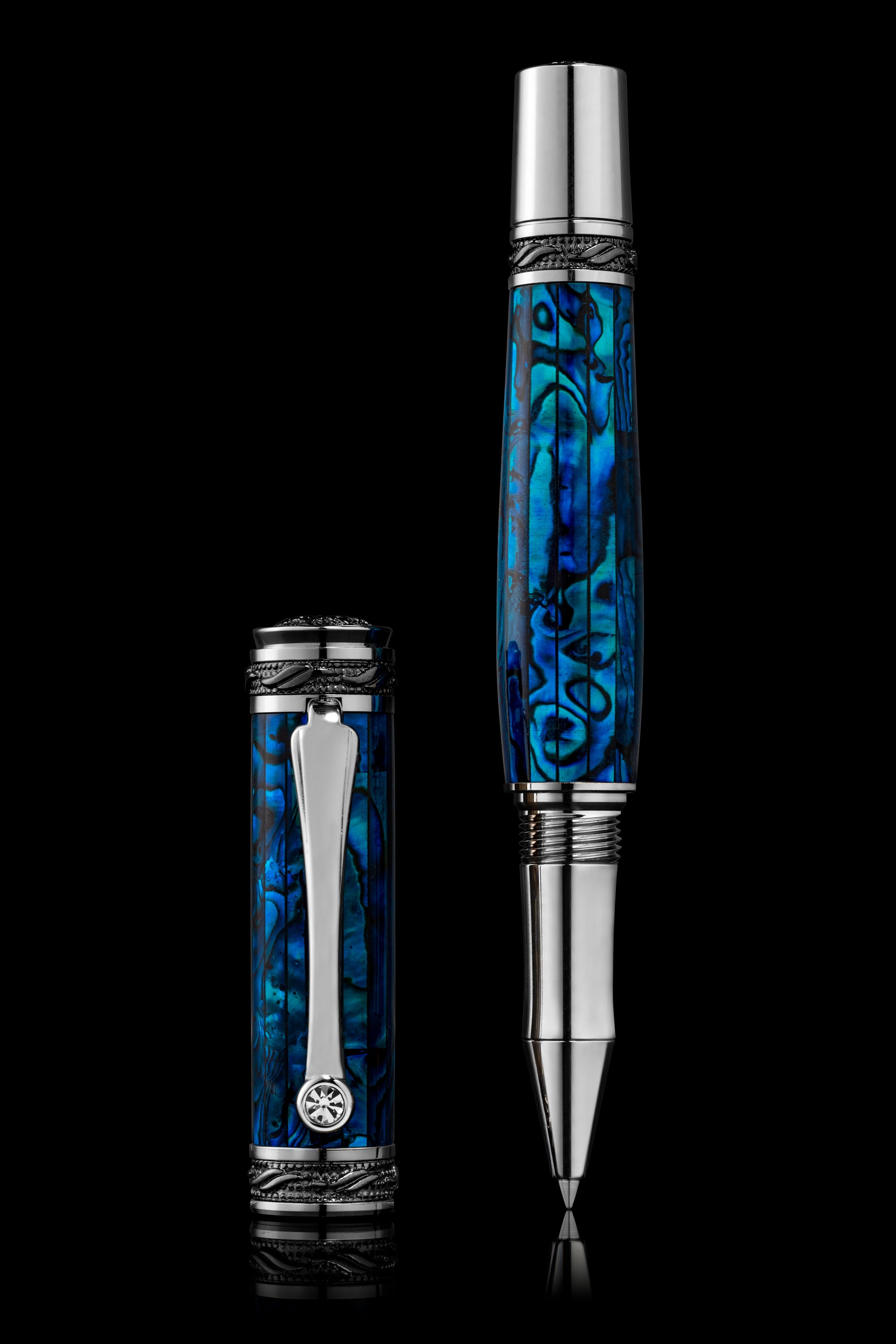
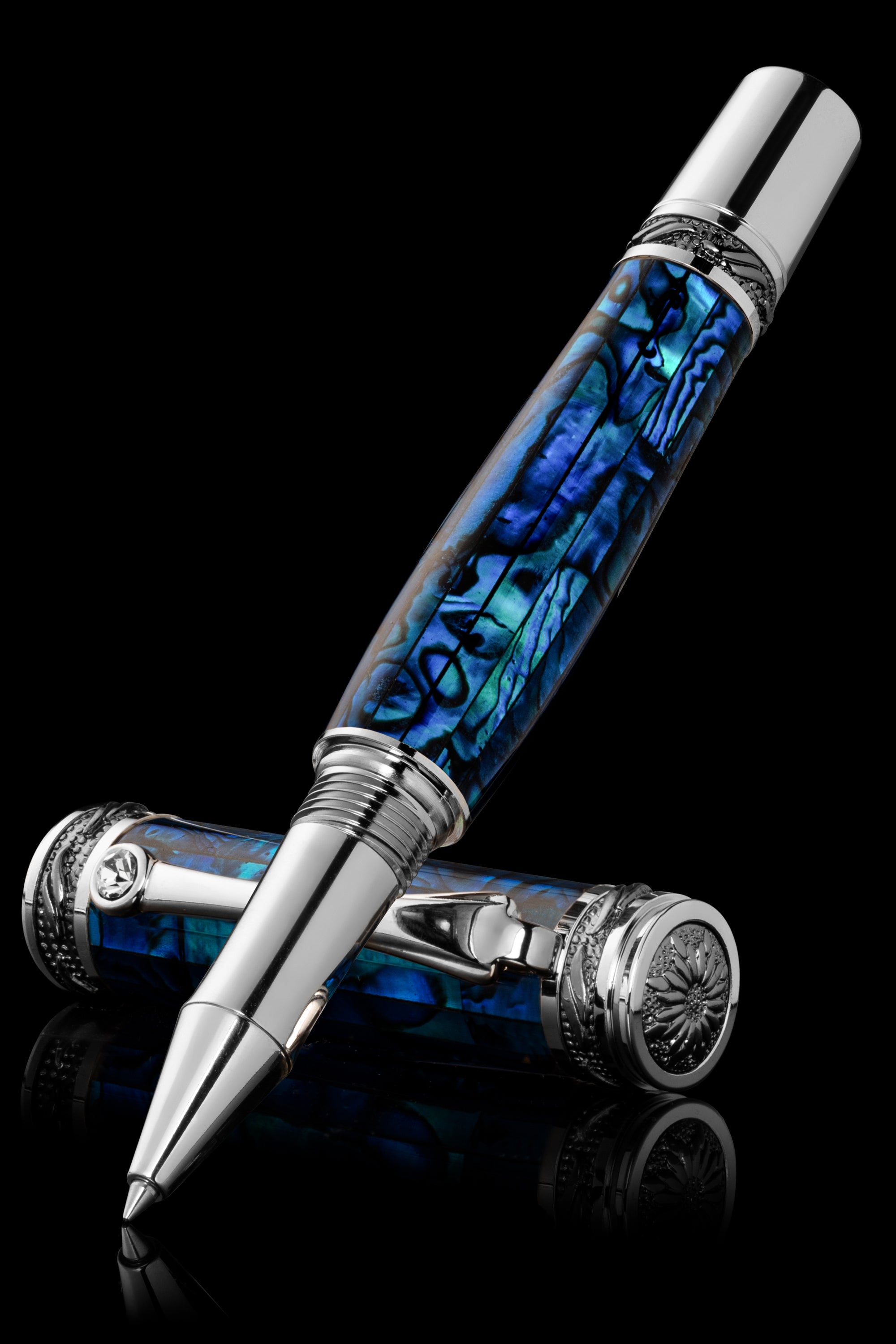
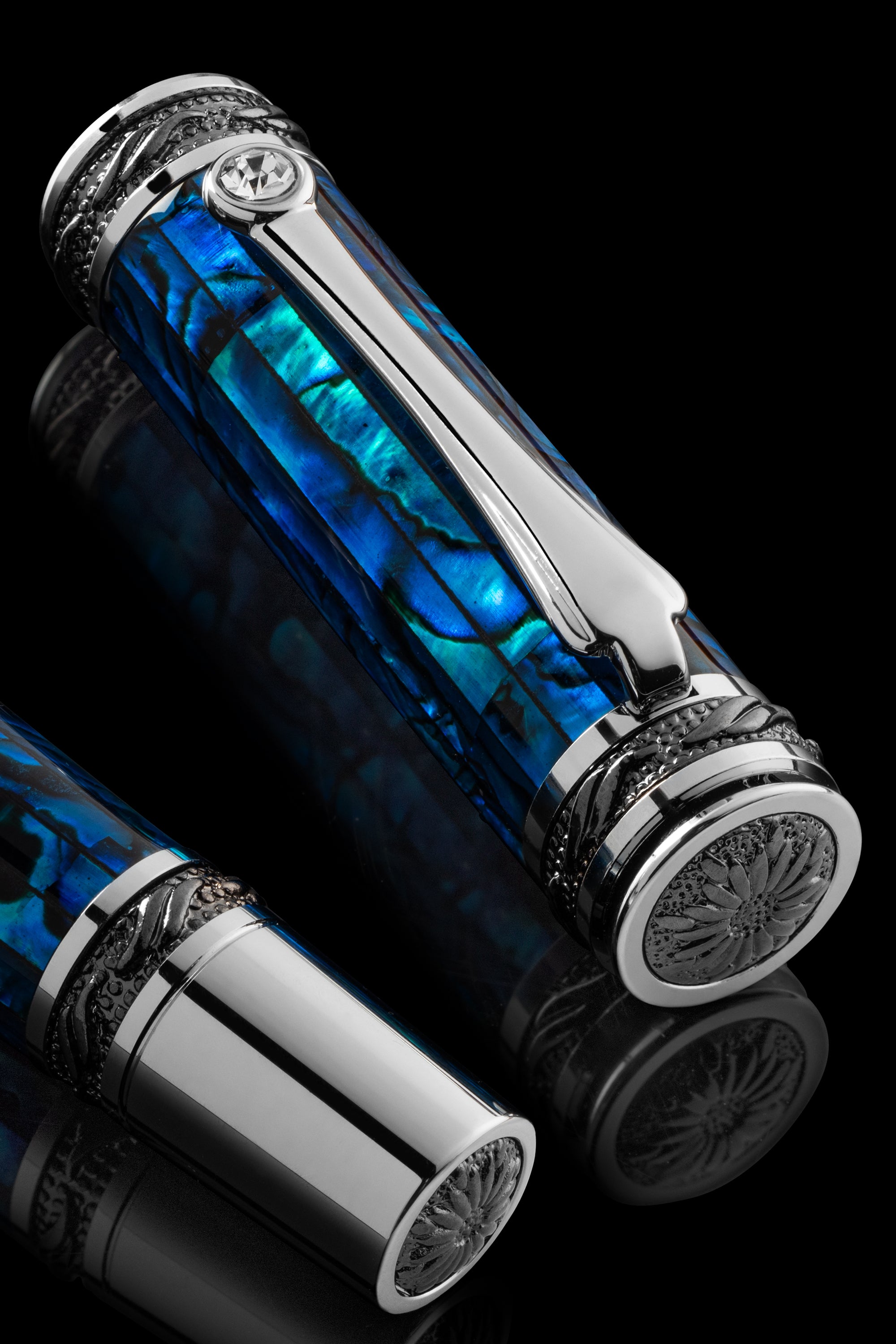
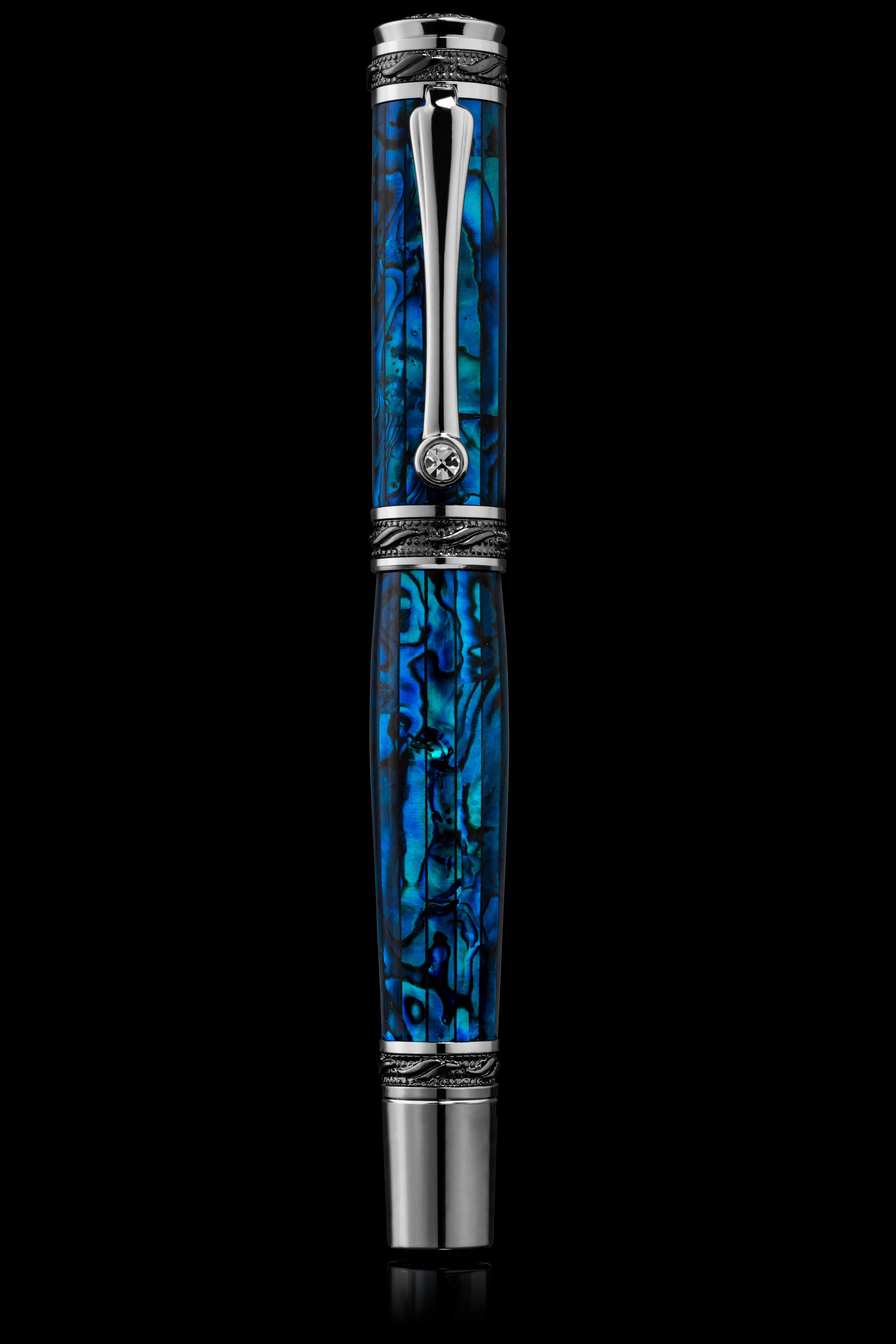
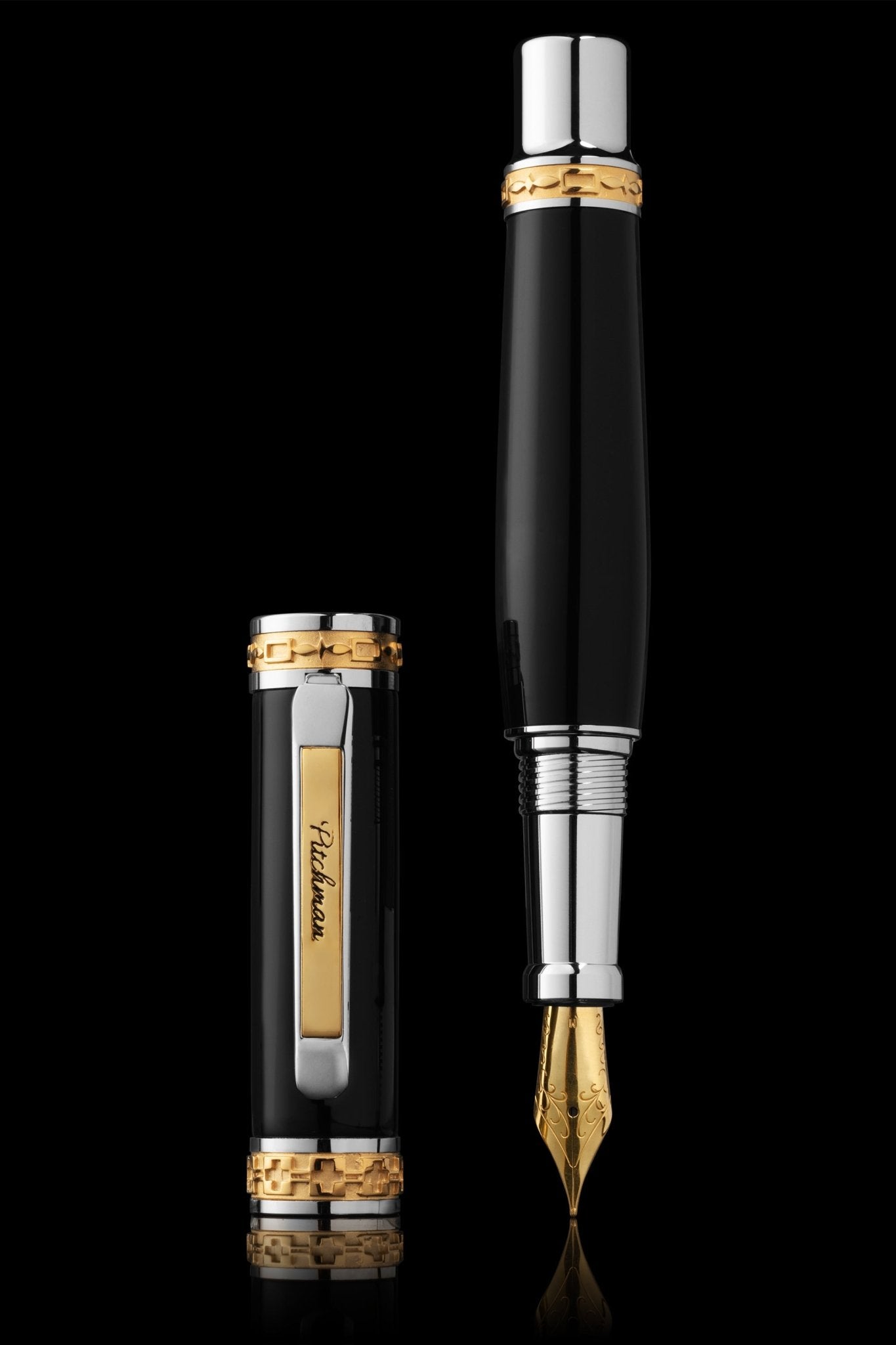
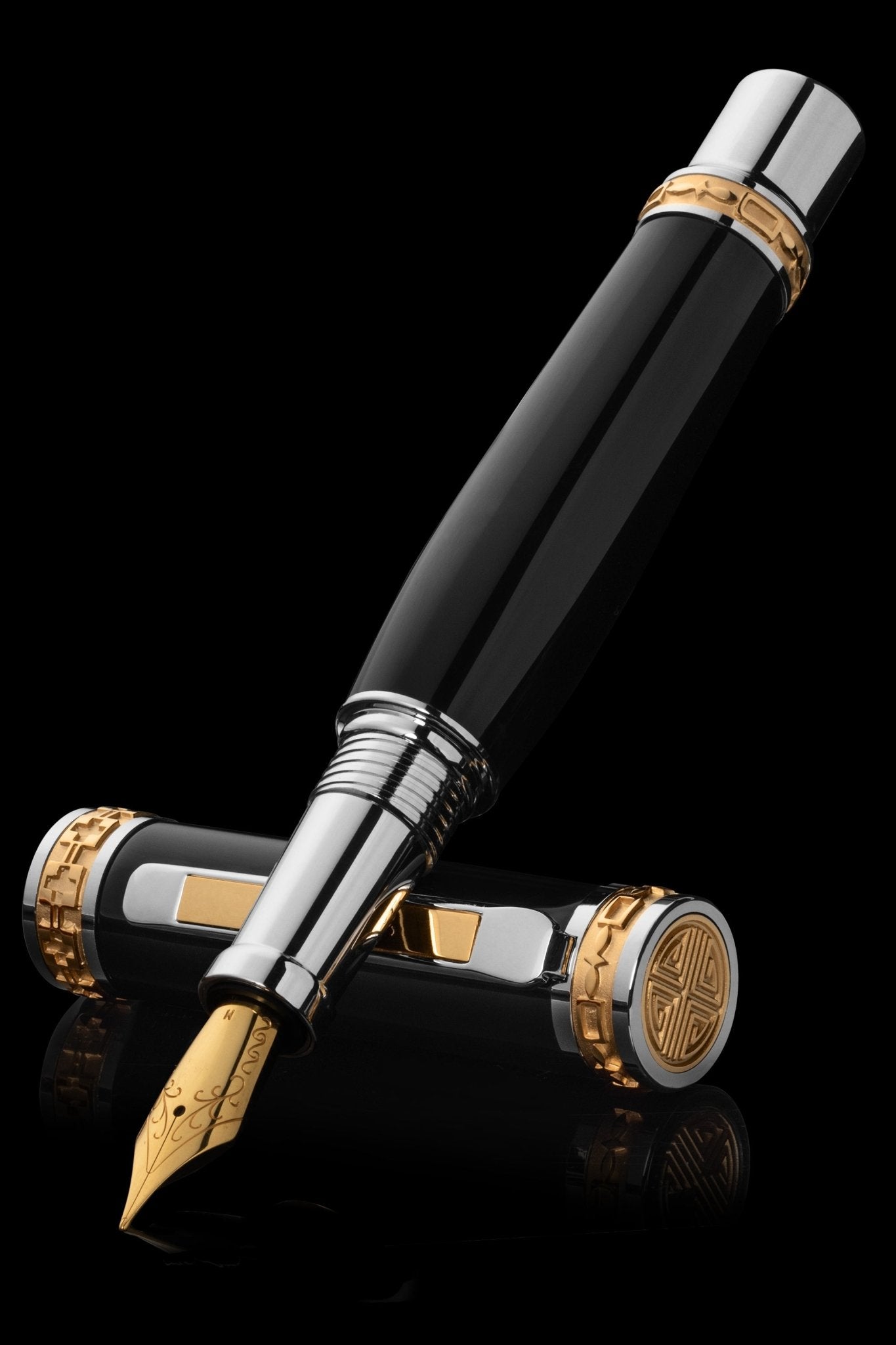
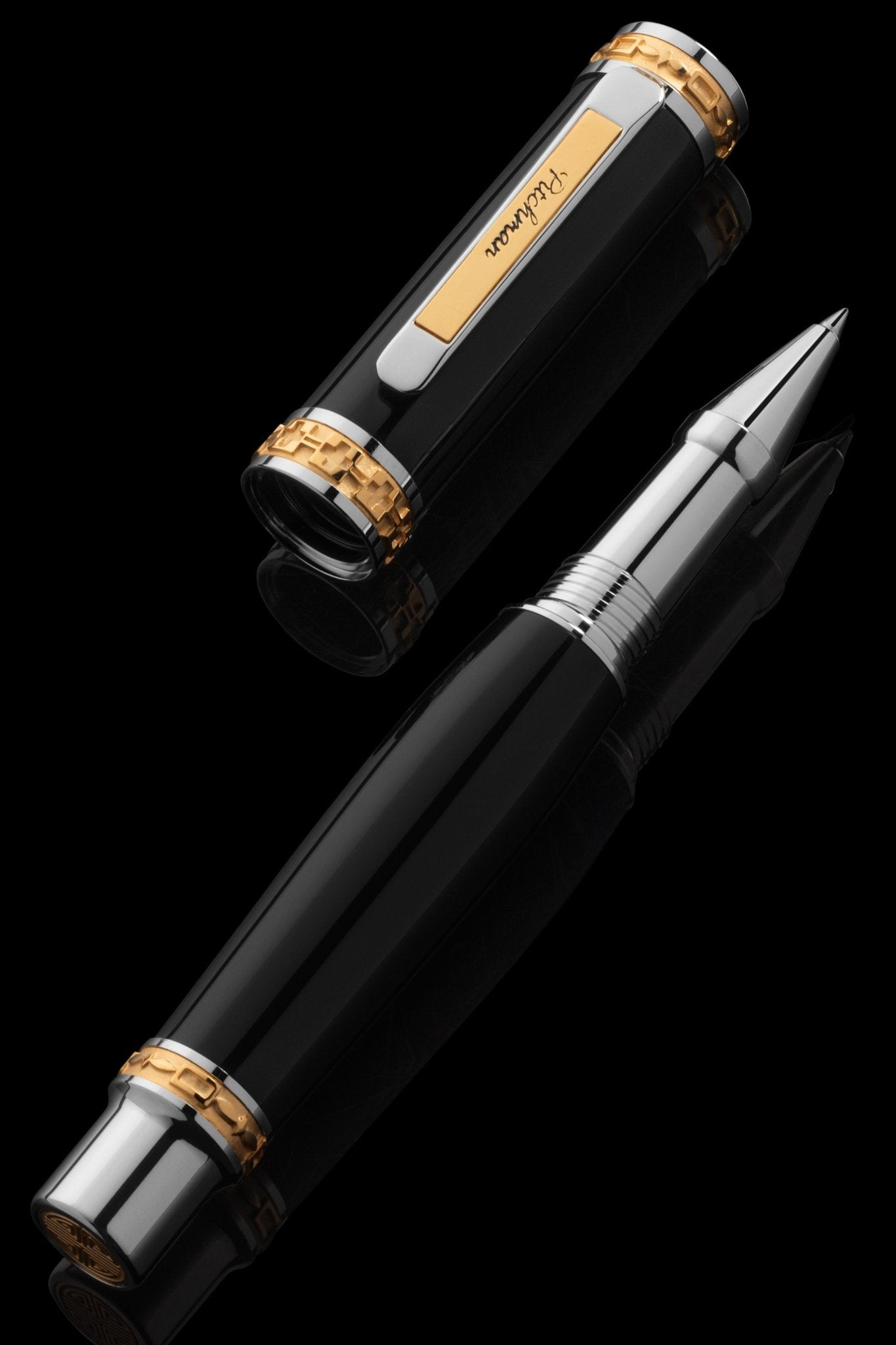
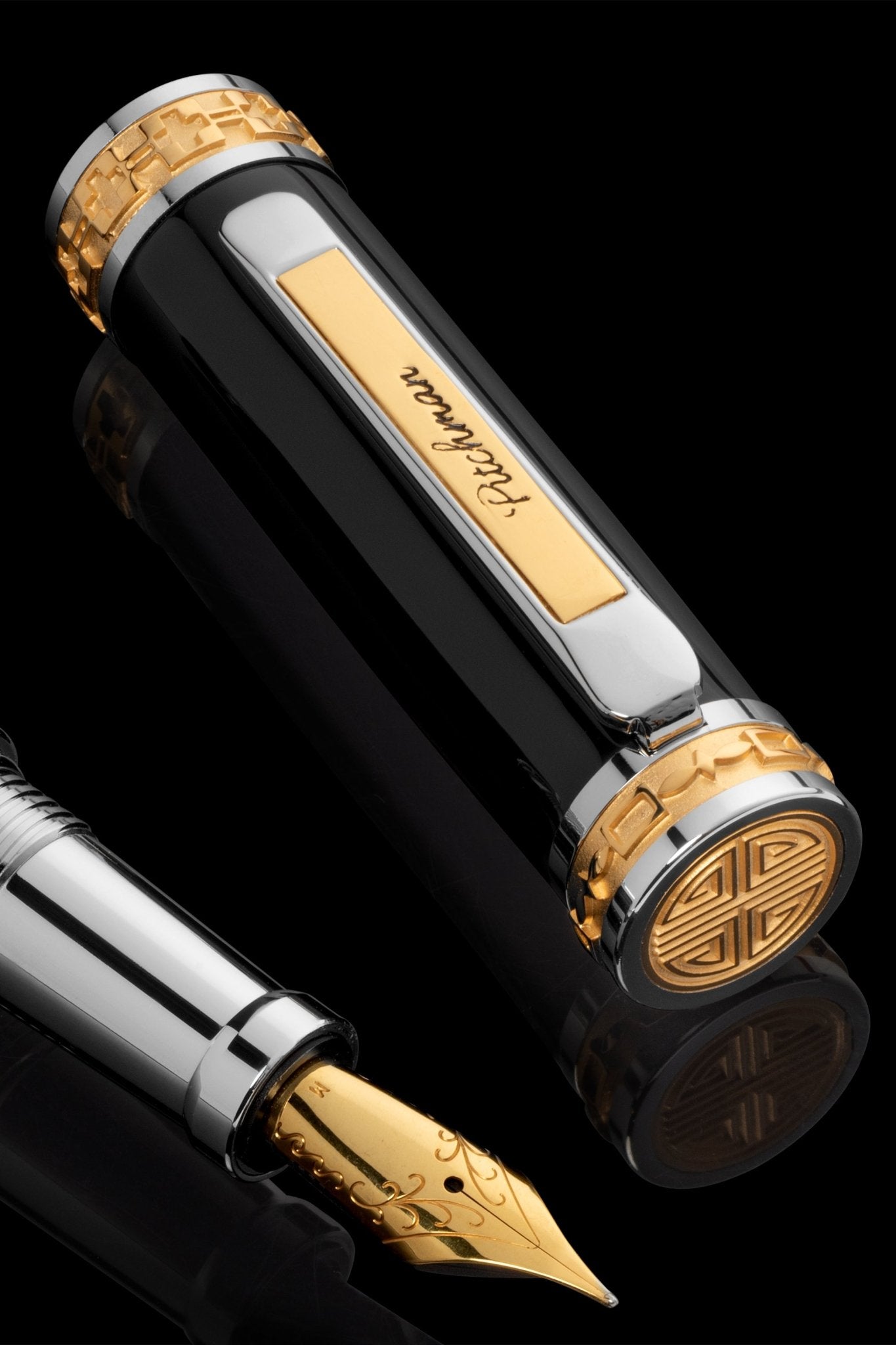
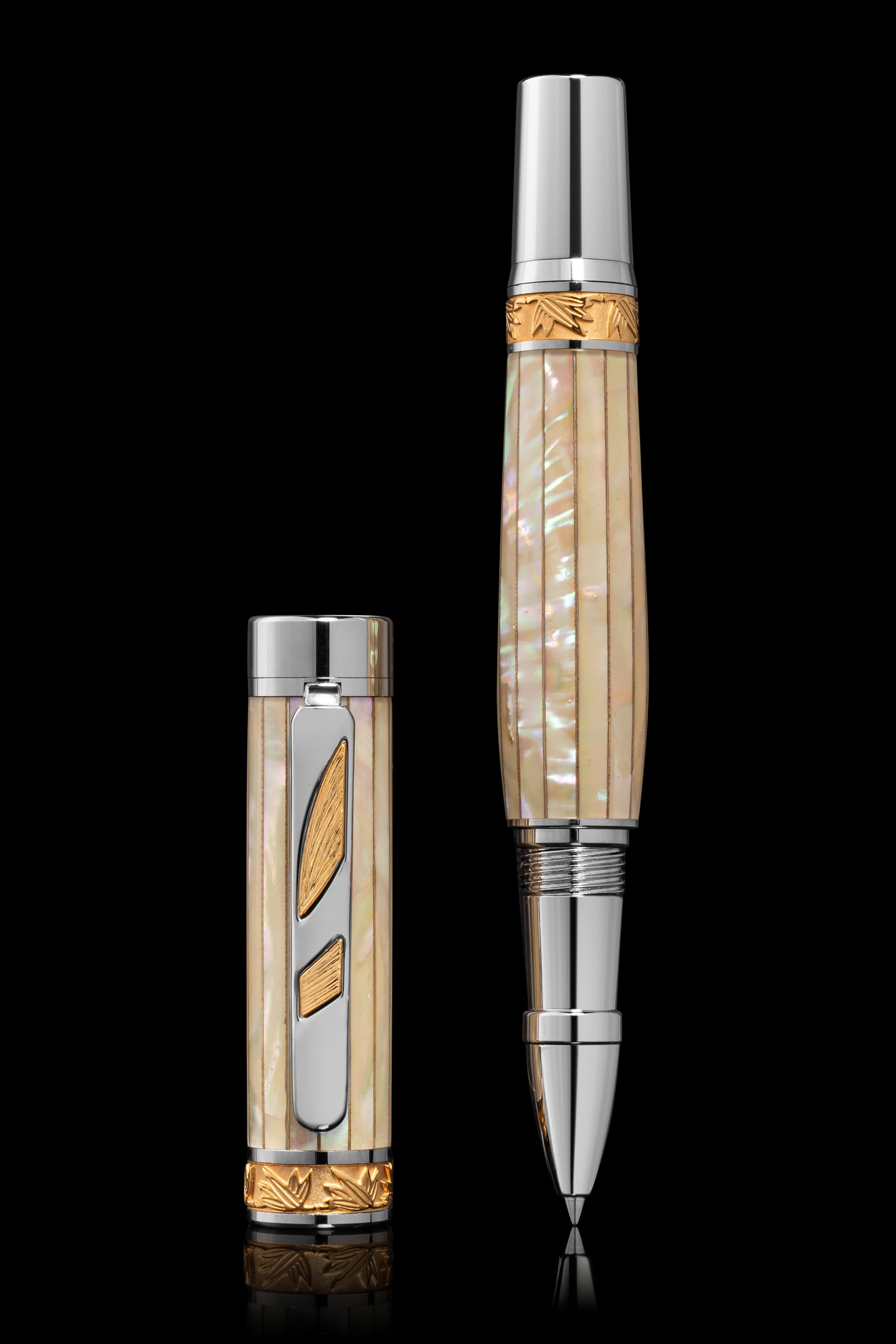
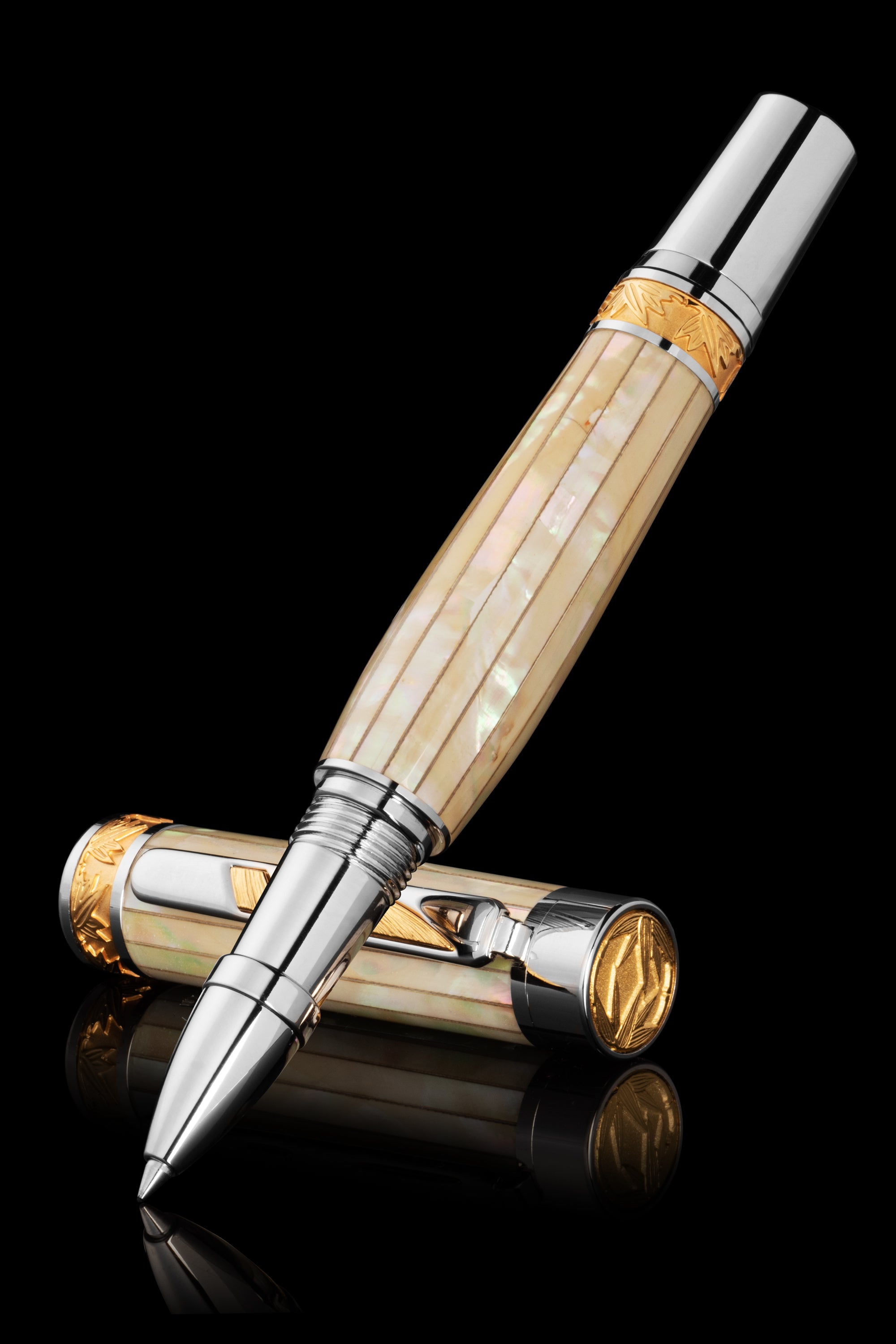
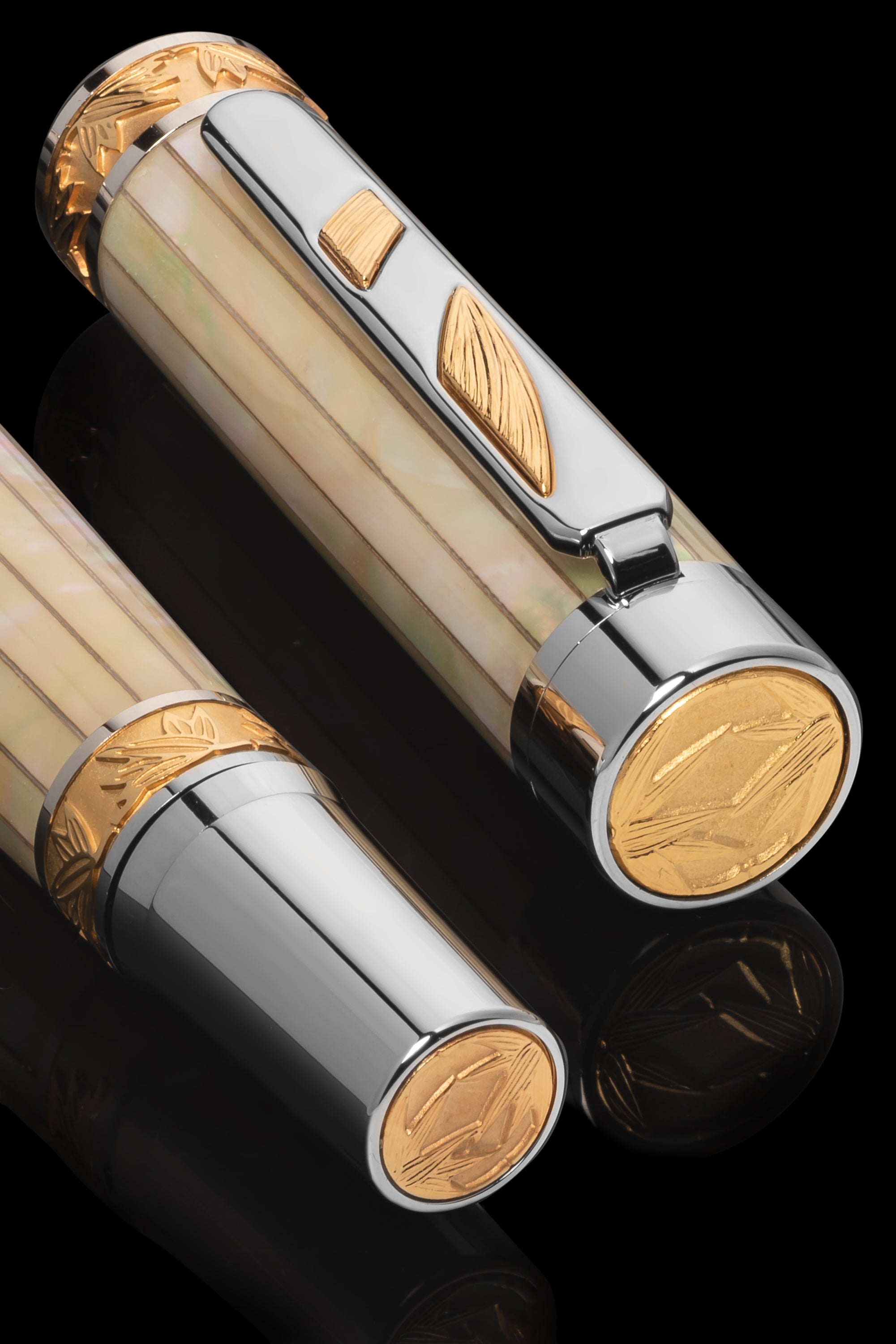
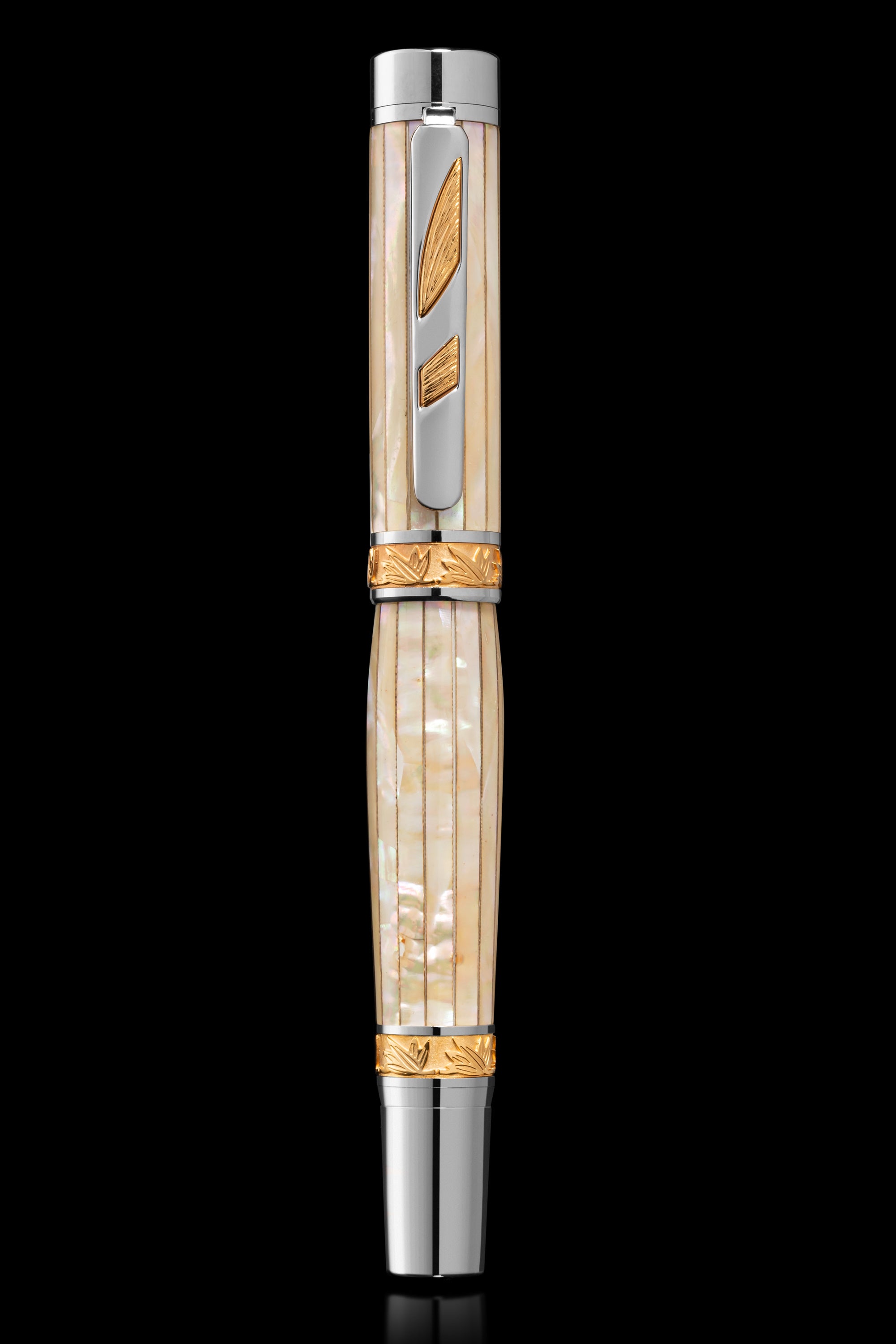
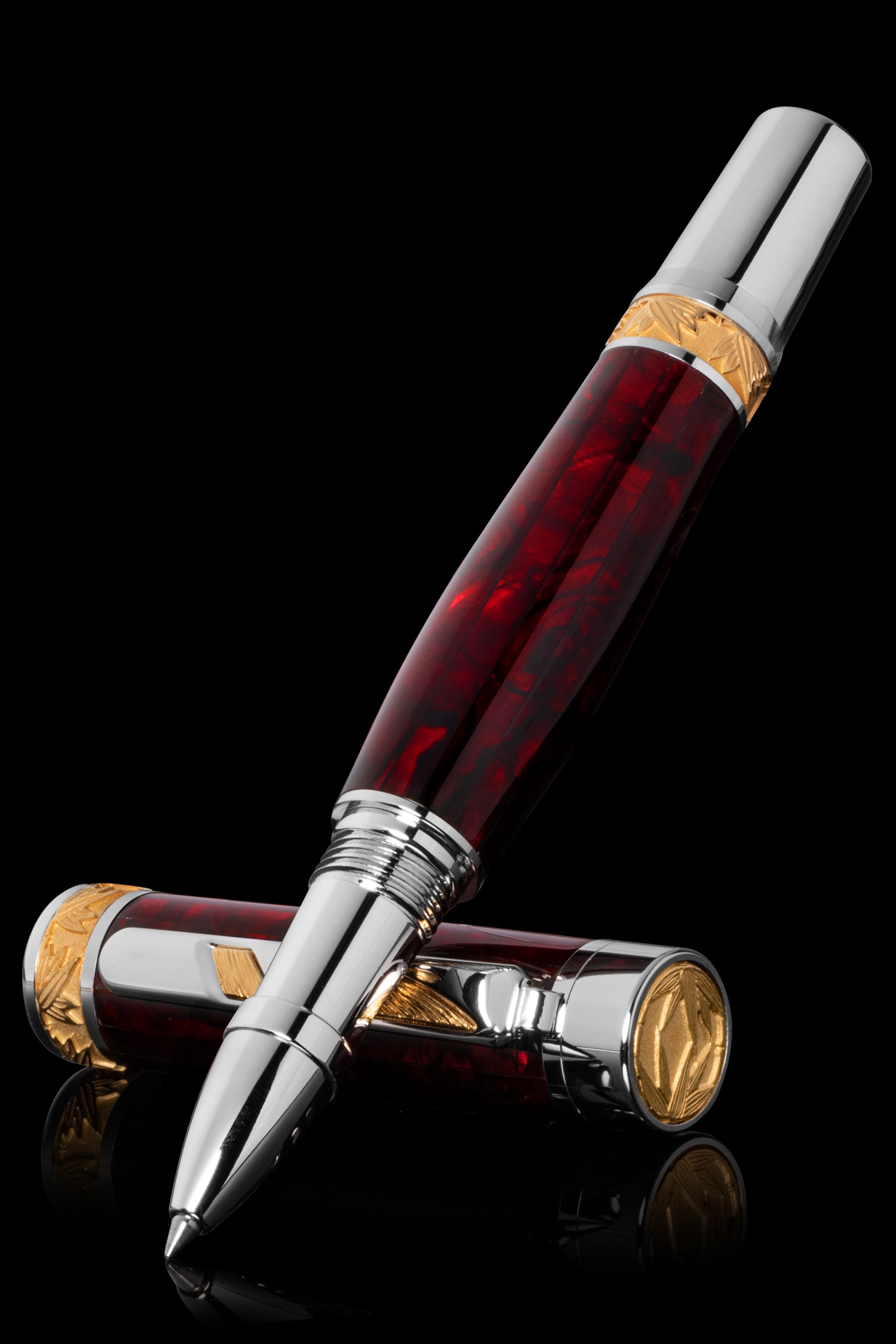
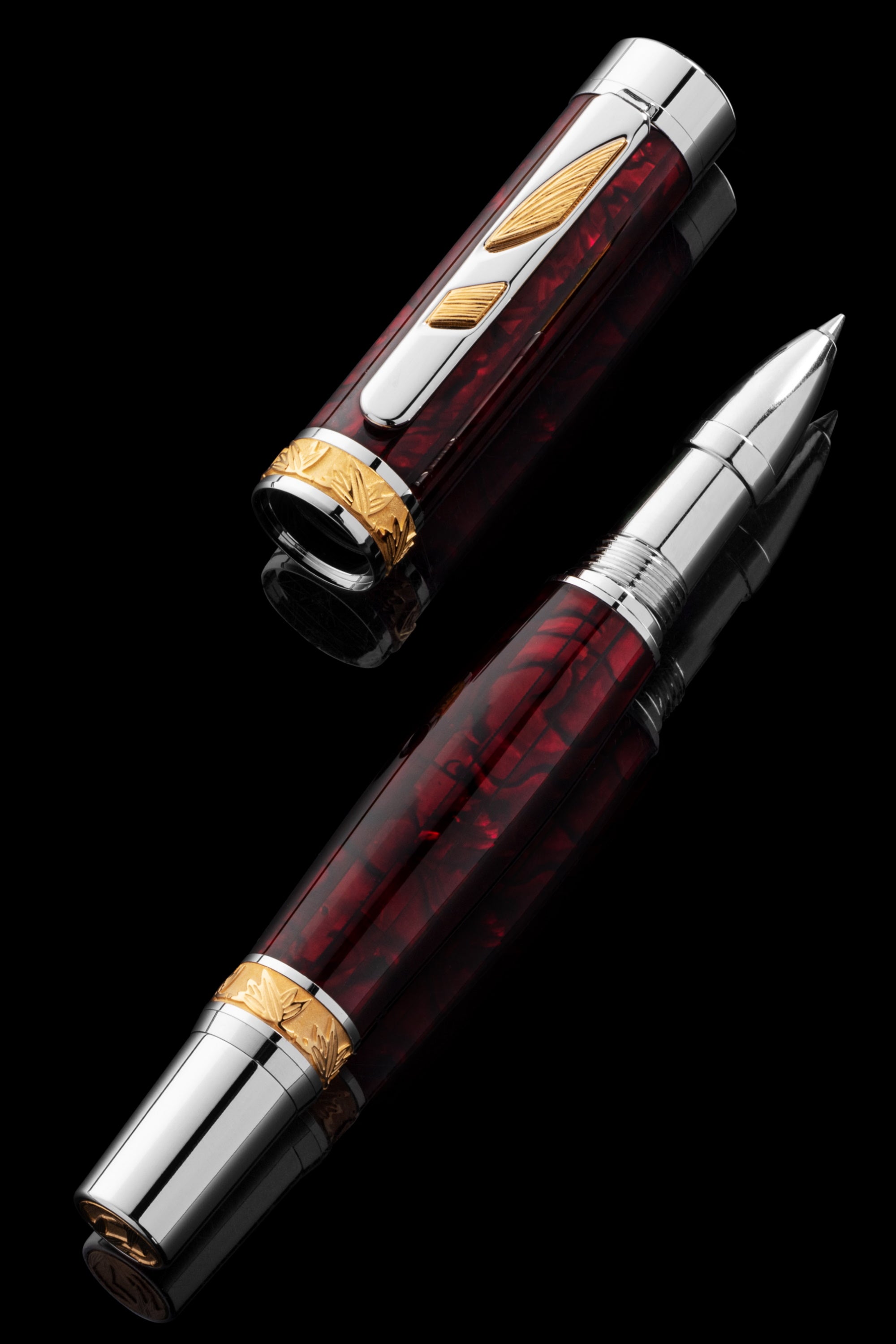
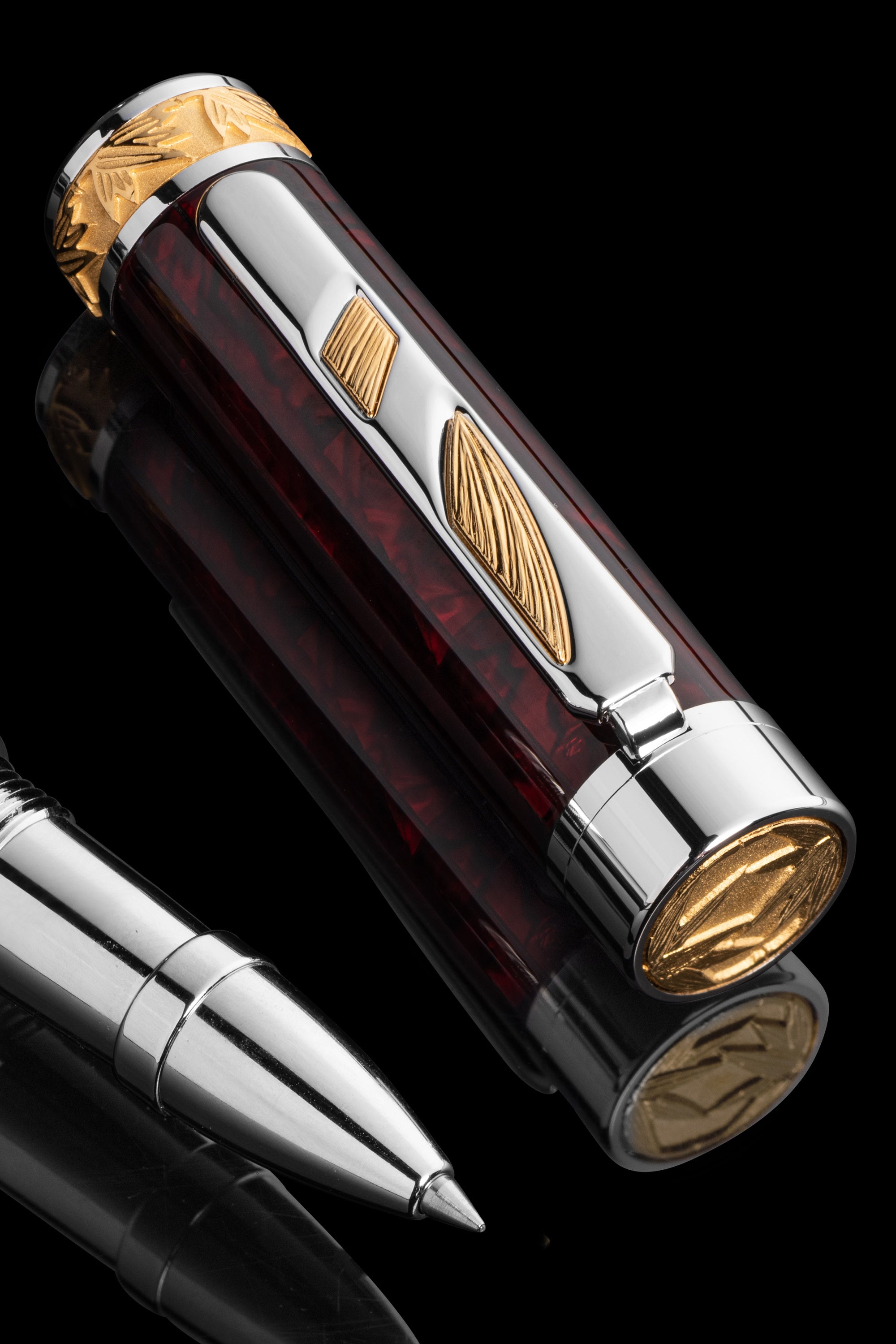
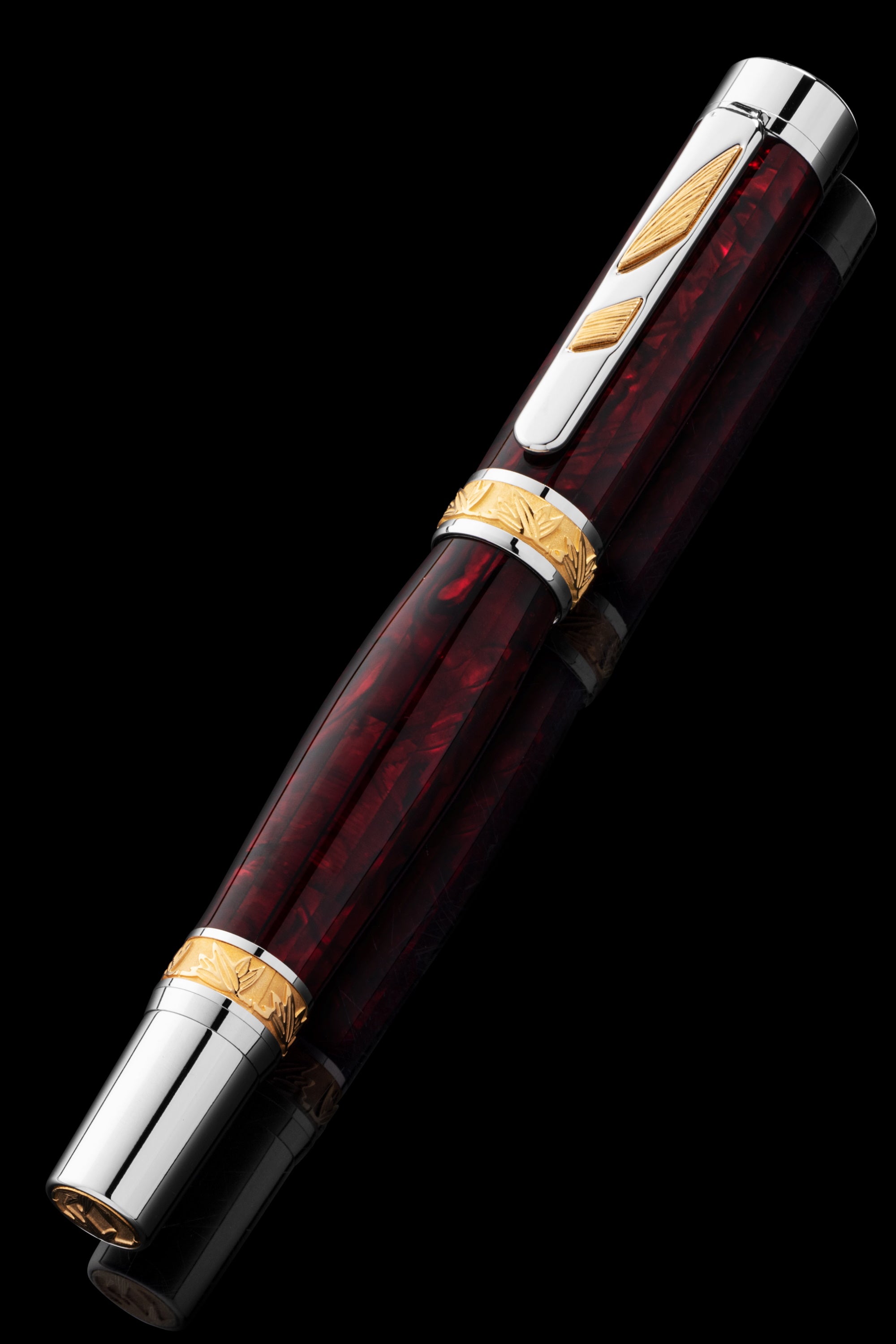
Below are a few pens that carry the right kind of presence for a moment like this — refined, lasting, and meant to be held onto.